TOYOTA W0133-2199425-OES Accelerator Pedal Sensor
fits model: Prius. make: Toyota. year: 2010–2015.
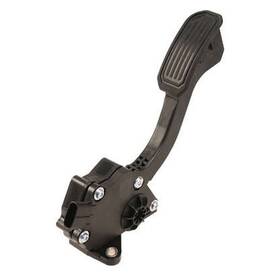
( Manufacturer Part Number: W0133-2199425-OES ), ( Product Type: Pedals ), ( California Prop 65 Warning: Cancer And Reproductive Harm. ), ( Fitment Type: Vehicle Specific ), ( Fitnote: Will Not Fit Prius V / Prius C Models. ), ( Product Subtype: Accelerator Pedals ), ( Type: Electronic Pedals )
Review TOYOTA Genuine Accelerator Pedal Sensor fits PRIUS 2010–2015
The **W0133-2199425-OES Accelerator Pedal Sensor** is a precision-engineered component designed exclusively for Toyota Prius models manufactured between 2010 and 2015, ensuring seamless integration with the vehicle s advanced hybrid powertrain system. This high-quality Original Equipment Supplier (OES) part replaces the factory-installed accelerator pedal sensor, which plays a critical role in monitoring driver input and communicating with the engine control module (ECM) to optimize throttle response, fuel efficiency, and overall vehicle performance. Crafted from durable, corrosion-resistant materials, the sensor features a robust construction that maintains reliability even under the demanding conditions of daily driving, including stop-and-go traffic, high-speed cruising, and varying environmental temperatures. Its advanced design incorporates a precise potentiometer mechanism, allowing for accurate and responsive throttle control while minimizing wear over time. The sensor is fully compatible with the Prius s hybrid system, ensuring proper synchronization with the electric motor, internal combustion engine, and regenerative braking components, thereby preventing erratic acceleration, stalling, or diagnostic trouble codes (DTCs) such as P0120, P0121, or P0122. Installation is straightforward, requiring only basic tools, as it is designed to drop directly into place without the need for modifications to the pedal assembly or wiring harness. Whether replacing a worn-out original sensor or upgrading to enhance performance, this OES part guarantees a perfect fit, consistent operation, and long-term durability, making it an indispensable choice for both professional mechanics and discerning DIY enthusiasts seeking to maintain their Prius s legendary efficiency and reliability.
### **Pros and Cons of buying a W0133-2199425-OES Accelerator Pedal Sensor for a 2010-2015 Toyota Prius**
#### **Pros:**1. **OEM Quality** The part is a genuine Toyota OES (Original Equipment Supplier) component, meaning it meets the same manufacturing standards as the original part installed in the factory. This ensures better reliability and compatibility with the vehicle s systems.
2. **Direct Fitment** Designed specifically for the 2010-2015 Toyota Prius, reducing the risk of installation issues or improper function. It should plug in and work without requiring modifications.
3. **Long-Term Durability** Toyota OES parts are built to last, often outperforming aftermarket alternatives in terms of longevity, especially in a hybrid vehicle where the accelerator pedal sensor is critical for performance and safety.
4. **Warranty Coverage** Purchasing from a reputable seller (such as Toyota s official parts distributor or a trusted auto parts retailer) may include a warranty, providing peace of mind against defects.
5. **Prevents Further Damage** A faulty accelerator pedal sensor can cause drivability issues, fuel inefficiency, or even stall the hybrid system. Replacing it with a reliable OES part can prevent secondary damage to related components like the ECU or hybrid battery.
6. **Resale Value** Using OEM parts can help maintain the vehicle s value, especially if you plan to sell the Prius later. Buyers often prefer cars with original or high-quality aftermarket parts.
---
#### **Cons:**1. **Higher Cost** OES parts are typically more expensive than aftermarket alternatives. The price may be significantly higher than generic or third-party accelerator pedal sensors, which could be a deterrent for budget-conscious buyers.
2. **Limited Availability** Depending on the seller, finding the exact W0133-2199425-OES part may require ordering from a specialized supplier, which could involve shipping delays or higher fees.
3. **Potential Overkill for Minor Issues** If the symptom (e.g., rough acceleration or a check engine light) is caused by a minor issue like a loose wire or a dirty sensor, replacing the entire pedal sensor may be unnecessary. Diagnosing the root cause first could save money.
4. **Installation Complexity** While the part is designed for easy fitment, some users may find the installation process challenging, especially if they lack mechanical experience. Disconnecting the pedal assembly and calibrating the system afterward requires careful attention.
5. **Calibration Required** After replacement, the accelerator pedal position sensor must be recalibrated using Toyota s diagnostic tool (e.g., Techstream or third-party OBD-II scanner). This step adds time and may require additional tools or expertise.
6. **Risk of Counterfeit Parts** If purchasing from an untrusted seller (e.g., eBay, Craigslist, or unverified online marketplaces), there is a risk of receiving a counterfeit or low-quality part that fails prematurely.
---
### **Conclusion:**The **W0133-2199425-OES accelerator pedal sensor** is a high-quality, reliable choice for restoring proper function to a 2010-2015 Toyota Prius, especially if the issue is confirmed to be sensor-related. Its OEM status ensures compatibility, durability, and peace of mind, making it ideal for owners who prioritize long-term performance and vehicle integrity. However, the higher cost and potential need for professional installation or calibration may be drawbacks for those on a tight budget or with limited mechanical experience.
For most Prius owners experiencing persistent accelerator-related symptoms, the **benefits of using an OES part outweigh the drawbacks**, provided the part is sourced from a reputable supplier. If cost is a major concern, a thorough diagnosis should be performed first to rule out simpler fixes before committing to a full replacement.
---
### **Recommendation:**1. **Verify the Issue** Before purchasing, confirm that the problem is indeed a faulty accelerator pedal sensor. Use an OBD-II scanner to check for related trouble codes (e.g., P0120, P0121, P0122, P0123). If the issue is something else (e.g., a loose pedal, wiring problem, or ECU glitch), address that first.
2. **Buy from a Trusted Source** Purchase the part from an authorized Toyota dealer, a well-reviewed online retailer (e.g., Amazon, RockAuto, or eBay with seller feedback), or a local auto parts store with a return policy. Avoid unknown sellers to avoid counterfeit parts.
3. **Prepare for Installation** Gather the necessary tools (screwdriver, diagnostic tool for calibration, and possibly a hybrid-specific repair guide). If unsure, consider having a mechanic perform the replacement and calibration.
4. **Calibrate the Sensor** After installation, use Toyota s Techstream software (or a compatible third-party scanner) to recalibrate the accelerator pedal position sensor. Follow the manufacturer s instructions carefully.
5. **Test Drive** After calibration, take the Prius for a test drive to ensure the sensor is functioning correctly. Monitor for any lingering issues like rough acceleration or check engine lights.
6. **Consider Aftermarket Alternatives (If Budget is Tight)** If the OES part is unaffordable, research high-quality aftermarket options from reputable brands (e.g., Denso, ACDelco, or Bosch) that are compatible with the Prius. However, prioritize parts with strong reviews and warranties.
**Final Verdict:** For most Prius owners, the **W0133-2199425-OES is the best choice** for reliability and long-term performance. If cost is prohibitive, ensure the issue is confirmed and explore aftermarket alternatives with caution. Always prioritize quality over price when dealing with critical hybrid components.
Details:
This product is made of high-quality materials to serve you for years come. Accelerator Pedal with Sensor by Genuine. The finest quality at a great price. Order from the comfort of your home or office.
They carry everything needed to complete the job.
part #: w01332199425 price
- $330.51
specifications pedalspadsaz:
- for models: Prius
- for makes: Toyota
- for years: 2010-2015
- mpn: W0133-2199425-oes
- product type: Pedals
- california prop 65 warning: Cancer And Reproductive Harm.
- fitment type: Vehicle Specific
- fitnote: Will Not Fit Prius V / Prius C Models.
- product subtype: Accelerator Pedals
- type: Electronic Pedals
seller pedalspadsaz:
- rating: 95.7%
- city: Shawnee, Kansas
- # reviews: 13276
general pedalspadsaz:
- Car Truck Parts Accessories > Interior Parts Accessories > Pedal Assemblies, Pads Parts
- condition: New
shipping pedalspadsaz:
- carrier: UPS
- cost: $15.00
- transit: 2-5 Days
- type: Fixed
- service: UPS Ground
- class: Standard
payments pedalspadsaz:
- wallet: Paypal
- credit card: Discover
- other
offer pedalspadsaz:
- started: June 4, 2026
- options: Ship-to-home
- quantity: 5
- availability: In Stock
- sold: 0
returns pedalspadsaz:
- policy: Returns Accepted
- time: 30 Days
- paid by: Seller
Toyota W0133-2199425 Is Similar To:
- 00016-79873 Toyota Scion Oem Sport Pedal Covers New (38.5% similar) I make sure you get exactly what are buying on or buying. Brand new set of oem pedal covers for scion CB XS Tc and toyota corolla yaris echo Celia with manual transmission. These were sold through scion and toyota dealers in the south. This is encouraged. Suggest retail part has been discontinued...(April 6th, 2018)
- 04000-0440c Toyota Genuine Pedal Assembly (35% similar) Shipping carrier substitutions may be made at our determination in an attempt to reduce cost the customer...(October 12th, 2017)
- 04000-14333 Pkg 2 Toyota Accelerator Pads Oem (45.2% similar) Quantity of 2 individually packaged toyota accelerator pads oem P/N no fit compatibility info available verify part number for your vehicle needs. Scroll down to read important details prior to buying...(August 19th, 2014)
- 04007-33331 Toyota Lexus Genuine 0400733331 (27.9% similar) This is a brand new part and has never been used or installed before. Genuine toyota Lexus ball joint, suspension. Part number: the may ship from a different location depending upon of buyer so it be delivered in time. It is 100 made by the manufacturer toyota...(December 5th, 2017)
- 04007-48453 Toyota Lexus Genuine 0400748453 (26.2% similar) This is a brand new part and has never been used or installed before. It is 100 made by the manufacturer toyota. Genuine toyota Lexus ball joint, suspension...(December 5th, 2017)
- 04007-48830 Toyota Lexus Genuine 0400748830 (26.2% similar) It is 100 made by the manufacturer toyota. This is a brand new part and has never been used or installed before. Genuine toyota Lexus ball joint, suspension. Part number: the may ship from a different location depending upon of buyer so it be delivered in time...(December 5th, 2017)
- 04007-74238 Toyota Lexus Genuine 0400774238 (27.9% similar) Genuine toyota Lexus ball joint. This is a brand new part and has never been used or installed before. Part number: the may ship from a different location depending upon of buyer so it be delivered in time...(December 5th, 2017)
- 04009-51208 Toyota Genuine Pedal Assembly Accelerate (36.6% similar) Parts must be resalable and in the original packaging. Electrical parts are not returnable. In stock orders ship within 24 hours. Lowe toyota parts has great every day prices that help you score big savings on the authentic need...(October 5th, 2018)
- 04009-51233 Toyota New Oem Pedal (36% similar) This listing is for a new toyota oem pedal assay...(May 3rd, 2017)
- 04437-60042 Toyota Lexus Genuine 0443760042 (29.5% similar) Genuine toyota Lexus various model's boot kit. This is a brand new part and has never been used or installed before. It is 100 made by the manufacturer toyota. Part number, the may ship from a different location depending upon of buyer so it be delivered in time...(December 27th, 2017)
- 04465-35290 Genuine Toyota New 4runner (30.8% similar) If you live outside of the USA please research and verify it fits your vehicle before purchasing. Or for a quick response...(February 7th, 2018)