PORSCHE 991.423.065.00 Brake Pedal Lever
fits model: 911, Cayman, Boxster. make: Porsche. year: 2013–2017.
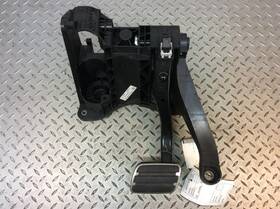
( Manufacturer Part Number: 991.423.065.00 ), ( Type: Brake Pedal ), ( Country Of Origin: Germany )
Review PORSCHE 991 Brake Pedal Lever Assembly fits CAYMAN BOXSTER 911 2013–2017
The **Porsche 991.423.065.00 brake pedal lever** is a precision-engineered component designed exclusively for the **911 (991) and Cayman/Boxster (981/982) models produced between 2013 and 2017**, ensuring seamless integration with the vehicle s hydraulic braking system. Crafted from high-grade, durable materials, this lever is built to withstand the rigorous demands of daily driving, high-performance use, and the iconic Porsche driving dynamics that demand both responsiveness and reliability. The **991.423.065.00** part number confirms its compatibility with the **991.4 platform**, which includes the **911 Carrera, Turbo, GT3, and GT3 RS** as well as the **Cayman S and Boxster S** variants, making it a versatile upgrade or replacement option for enthusiasts seeking to restore factory specifications or enhance their vehicle s braking feel.
What sets this brake pedal lever apart is its **ergonomic design**, optimized for driver comfort and control. The lever features a **smooth, contoured surface** that reduces fatigue during extended drives, while its **reinforced construction** ensures minimal flex under heavy braking loads, a critical factor for vehicles equipped with advanced braking systems like Porsche s **PCCB (Porsche Ceramic Composite Brake)** or high-performance calipers. The lever s **precise fitment** into the pedal assembly guarantees a secure and stable connection, preventing unwanted movement that could compromise braking efficiency or lead to premature wear on associated components.
For performance-oriented drivers, this brake pedal lever is an ideal choice for those looking to **restore stock feel** after modifications or replace a worn-out original part. Its **direct-mount design** ensures compatibility with both **hydraulic and electronic brake systems**, including those with **Porsche s brake-by-wire (PBB) technology**, found in later 991 models. Whether used as a **direct replacement** for a damaged lever or as part of a **full brake pedal assembly upgrade**, this component upholds Porsche s reputation for **engineering excellence**, delivering the same level of precision and durability expected from a factory part.
Beyond its functional superiority, the **991.423.065.00 brake pedal lever** also contributes to the **aesthetic and tactile driving experience** that Porsche enthusiasts cherish. Its **sleek, minimalist design** complements the vehicle s sporty interior, while its **smooth, progressive action** enhances the driver s connection to the road, reinforcing the **911 s legendary feedback-oriented driving dynamics**. Whether installed in a **restomod project, a daily driver, or a track-focused vehicle**, this lever ensures that every press of the pedal delivers the **immediate, confident response** that defines Porsche s driving philosophy.
For those seeking **OEM-level quality**, this brake pedal lever is a **direct-fit, no-compromise solution**, free from the compromises often found in aftermarket alternatives. Its **rigorous testing and certification** by Porsche s quality assurance standards guarantee compatibility with the vehicle s braking system, including **brake master cylinders, hydraulic lines, and electronic control modules**, ensuring optimal performance from the first press to the last. Whether used in a **restoration, a performance upgrade, or a simple maintenance replacement**, this lever embodies the **precision, reliability, and driving pleasure** that Porsche drivers demand and expect from every component.
### **Pros and Cons of Buying a Porsche 991.4 (2013 2017) 911, Cayman, or Boxster with a Boxed Brake Pedal Lever**
#### **Pros**
1. **Performance and Driving Dynamics**
- The 991 generation (2013 2017) represents a significant evolution over the 997, with improved handling, a more refined suspension, and better weight distribution. The 911, Cayman, and Boxster all offer engaging rear-wheel-drive dynamics, making them enjoyable for both track use and daily driving.
- The **911 Carrera (991.2) and Carrera S (991.4)** deliver strong performance, with the S model producing **480 503 hp** depending on the year, paired with a 7-speed PDK or manual transmission. The **Cayman and Boxster** (especially the S and T models) are lighter and more nimble, with the **Boxster Turbo (981.2, though rare in this range)** offering impressive mid-engine agility.
- The **boxed brake pedal lever** (common in later 991 models) improves pedal feel and modulation, reducing the "spongy" sensation found in earlier 997 models. This makes braking more precise and engaging, which is a notable upgrade for enthusiasts.
2. **Reliability and Durability**
- The 991 platform is generally more refined than the 997, with fewer major reliability issues. The **PDK transmission** (when well-maintained) is robust, though it requires proper fluid changes and servicing.
- The **engine bay** is cleaner and more accessible than in the 997, with better cooling and less risk of oil leaks (though some models still suffer from **oil leaks at the rear main seal** or **valve cover gaskets**, which are manageable with proper maintenance).
- The **suspension and steering** are more durable than in earlier models, with fewer complaints about premature wear.
3. **Aftermarket and Modification Potential**
- The 991 is one of the most popular Porsche generations for modifications, with a **thriving aftermarket** for performance parts (exhaust, suspension, ECU tuning) and cosmetics (wheels, body kits, paint).
- The **boxed brake pedal lever** is a subtle but appreciated upgrade, as it reduces pedal travel and improves feedback something many owners appreciate after coming from older models.
- The **991 s wider track and improved aerodynamics** make it a better candidate for track days and drifting compared to the 997.
4. **Resale Value and Collectibility**
- While not as highly sought-after as the **997 GT3 or 991 Turbo S**, the **991 Carrera, Cayman, and Boxster** hold their value reasonably well, especially lower-mileage examples.
- The **boxed pedal lever** is a minor but noticeable upgrade, which could slightly enhance appeal to buyers who prioritize driving feel.
5. **Daily Drivability**
- The 991 is more refined than the 997 in terms of **comfort, noise insulation, and interior quality**. The **Cayman and Boxster** are particularly comfortable for their weight class, while the **911** remains a more aggressive, sporty daily driver.
- The **PDK transmission** (when properly maintained) shifts smoothly, though some drivers prefer the **manual transmission** for a more engaging experience.
---
#### **Cons**
1. **Maintenance Costs and Complexity**
- Porsches are **expensive to maintain**, even in this generation. Common issues include:- **Oil leaks** (rear main seal, valve cover gaskets, oil filter housing gasket).
- **Timing chain stretch** (less common than in the 997 but still a concern in high-mileage examples).
- **PDK transmission failures** (if fluid isn t changed every **60,000 80,000 miles**).
- **Brake system wear** (especially on track-used or aggressive drivers).
- The **boxed brake pedal lever** itself is not a major repair point, but if the **master cylinder or brake lines** fail, replacement parts can be costly.
2. **Common Mechanical Issues**
- **Engine:**- **Carbon buildup** (common in all Porsche engines, requiring a **carbon cleaning** every **60,000 80,000 miles**).
- **Oil consumption** (some 991 engines, especially the **3.4L Flat-6**, burn oil, requiring frequent top-ups).
- **Water pump failures** (can lead to overheating if not addressed).
- **Transmission (PDK):**- **Fluid degradation** leads to rough shifts or failure if neglected.
- **Clutch wear** in manual models (though less common than in the 997).
- **Suspension:**- **Shock absorbers and bushings** wear out around **50,000 80,000 miles**, requiring replacement.
- **Subframe bushings** can crack, leading to clunking noises.
3. **Electrical and Infotainment Quirks**
- The **991 s infotainment system** (especially in earlier models) can be **glitchy or slow**, with poor Bluetooth connectivity and outdated software.
- **Sensor failures** (e.g., **speed sensor, camshaft sensor**) can cause **check engine lights** and require diagnostic work.
- **Power window regulators** and **seat motors** are known to fail, adding to maintenance costs.
4. **Depreciation and Market Saturation**
- The **991 generation is no longer a "hot" model** like the 997 GT3 or 991 Turbo S. While still desirable, **prices have stabilized**, meaning you may not see the same appreciation as with rarer variants.
- **High demand for lower-mileage examples** means prices for well-maintained cars can be **premium**, especially for **Carrera S, Cayman S, or Boxster Turbo** models.
5. **Potential Hidden Problems**
- **Rust** (especially in **California or northern climates**, where road salt and humidity can corrode undercarriage components).
- **Exhaust leaks** (common in **991.2 models** before 2015, requiring **cat-back exhaust replacements**).
- **Coolant leaks** (water pump, thermostat housing, or radiator hoses).
- **Brake rotor warping** (if the car has been used aggressively or on track).
6. **Insurance Costs**
- Porsches are **expensive to insure**, especially for **high-performance models (Carrera S, Cayman S, Boxster Turbo)**. Rates can be **2 3x higher** than for a comparable BMW or Audi.
---
### **Ending Conclusion**
The **2013 2017 Porsche 991 (911, Cayman, Boxster) with a boxed brake pedal lever** is an **excellent choice for enthusiasts** who value **performance, driving dynamics, and aftermarket potential**. The **boxed pedal lever** is a minor but appreciated upgrade over earlier models, improving braking feel and modulation. However, **maintenance costs remain high**, and **common issues (oil leaks, PDK failures, carbon buildup) must be addressed proactively**.
This generation strikes a **balance between refinement and track capability**, making it ideal for **weekend drivers, track enthusiasts, and those who enjoy modifying their cars**. While not as rare or valuable as the **997 GT3 or 991 Turbo S**, it offers **strong performance, a better driving experience than the 997, and a solid aftermarket support system**.
**If budget allows, prioritize:**- **Low mileage (under 50,000 miles).**
- **Full service history (especially PDK fluid changes, oil changes, suspension work).**
- **No major leaks (oil, coolant, brake fluid).**
- **A well-maintained brake system (pads, rotors, calipers).**
**Avoid:**- **Cars with excessive oil consumption or timing chain stretch.**
- **Neglected PDK transmissions (check fluid condition).**
- **Rust or structural damage (especially in older examples).**
### **Final Recommendation**
**Buy if:**You want a **balanced, high-performance Porsche** that s more refined than the 997 but still track-capable.
You **prioritize driving dynamics and aftermarket potential** over rarity.
You re **prepared for maintenance costs** and plan to **service it properly**.
You prefer the **boxed brake pedal lever** for better pedal feel.
**Avoid if:**You re looking for a **collectible or high-resale-value** model (consider a **997 GT3 or 991 Turbo S** instead).
You **can t afford or don t want to maintain** a high-performance Porsche.
The car has **major mechanical issues (timing chain, PDK, oil leaks)**
Details:
Most items have wear with scratches, scuffs, nicks, chips, scuff marks and dirt/grime on them. ATTENTION HI, AK and PR BUYERS: SHIPPING COSTS ARE ONLY FOR THE LOWER 48 STATES. Most listings have 12 or more pictures so please scroll through all of them. RBCS PONCL5 60 05162026 20026 Porsche 911 991.
This part shows wear with some scratches, scuffs, dirt and grime on it. THERE ARE EXTRA SHIPPING CHARGES TO SHIP AK, HI and PR. Brake Pedal Assembly. Parts may be dusty from sitting for a long period of time.
part #: 99142306500 prices
- $48.99-$185.00
specifications pedalspadsaz:
- for models: 911, Cayman, Boxster
- for makes: Porsche
- for years: 2013-2017
- mpn: 991.423.065.00
- type: Brake Pedal
- country of origin: Germany
offer pedalspadsaz:
- options: Ship-to-home
- quantity: 1
- availability: In Stock
- sold: 0
- started: June 2, 2026
general pedalspadsaz:
- condition: Used
- Car Truck Parts Accessories > Interior Parts Accessories > Pedal Assemblies, Pads Parts
returns pedalspadsaz:
- paid by: Seller
- policy: Returns Accepted
- time: 30 Days
seller pedalspadsaz:
- # reviews: 21438
- rating: 99.9%
- city: Quinton, Virginia
payments pedalspadsaz:
- wallet: Apple-pay
- other
- credit card: Visa
shipping pedalspadsaz:
- type: Fixed
- cost: $19.95
- service: Standard
- transit: 3-8 Days
- class: Standard
Porsche 991.423.065.00 Is Similar To:
- 1672100700 Dansk New Accelerator Pedal Porsche (33.9% similar) Dank dank, JPEG, sis, and Quinton Hazel are brands of Denmark-based JP group a JP group produces more than 30,000 parts that follow strict OE quality standards and is an supplier to the german car makers. Parts are sold as a single item unless the quantity is specified differently in title image may...(July 6th, 2018)
- Factory Race Dead Foot Interior 930 Parts Porsche 1965-1989 911 Pedal 912 Rest (33.3% similar) The last few photos show what one looks like installed in a car. Buyers please with any questions or issues regarding our offers. This sale is for one new, never installed, factory porsche dead pedal. Please with other part inquiries...(July 29th, 2014)
- 914 912 43012 626 Fits Supplier 1965-1998 Porsche Clutch Pedal Oe 066 Pad 911 (24.5% similar) Est, Mon to Fri...(September 24th, 2014)
- Oem 1973 Prices Stops Floor Original 914 Porsche Pedal Board (21.7% similar) Ch out my other offers. Good luck and happy buying this is a used pedal board from a 73 in good condition with both the clutch and the gas pedal stop...(October 21st, 2014)
- Prices 1973 Floor Porsche Pedal Board Oem Stops Original 914 (27.5% similar) This is a used pedal board from a 73 in good condition with both the clutch and the gas pedal stop. Good luck and happy buying. Ch out my other offers...(November 16th, 2014)
- Fits Clutch 1977-1986 Spring Porsche Pedal Genuine 911 (25.8% similar) Since some items have no shipping charge, these items will not qualify for a shipping credit. IMac supplied your vehicles manufacturer with the clutch pedal components...(October 20th, 2014)
- Genuine 001 928 1978-1995 Porsche Brake Pad Fits 626 Pedal 43010 (28.2% similar) Genuine supplied your vehicles manufacturer with the brake pedal pad...(September 24th, 2014)
- 1984-1995 Brake Pad Genuine 626 Fits 928 Pedal Porsche (33.3% similar) Orders ship from 12 major metropolitan markets in the us. Ed express supplied with the genuine brake pedal pad brake pedal pad. Since some items have no shipping charge, these items will not qualify for a shipping credit...(June 4th, 2014)
- Clutch 1989-1994 Pedal Brake Porsche Master Cylinder (36.9% similar) I'm selling a G50 brake pedal and clutch pedal with clutch master cylinder for a porsche 911. The car only had 57,000 miles on it so the pedal mechanism and clutch master cylinder is in great shape...(August 22nd, 2014)
- Assembly 1996 Porsche Cabriolet Brake 993 Pedal Manual Clutch 911 Prices (10.7% similar) Delivery to PO. Exterior iris blue. Boxes and military addresses is more than the flat rate specified. 6l h6 fie country Germanic digit 3DRIVE line type class prestige sporty car fuel type causeries CARRERA2 4RESTRAINT system dual front air bags active belts' inmost counterpoint '' condition great ...(October 28th, 2014)
- 911 6sp Accelerator 996 Cable 1999 Unit Prices Pedal Carrera Throttle Porsche Gas (12.6% similar) Porsche 996 gas accelerator pedal, for 6SP manual transmission. Unit was pulled from a 1999 C2, but the accelerator pedal may also fit other model's. Includes cable for throttle body as pictured. No guarantee of color match for exterior or interior parts. Guarantee all parts are carefully ...(January 16th, 2015)