ACURA 546.AC1I98 Brake Pedal
fits model: Rl. make: Acura. year: 1996–2004.
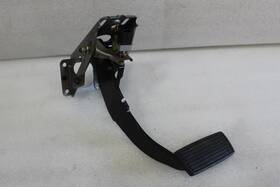
( Conditions Options: A, Brake Pedal ), ( Genuine Oem: Yes ), ( Ipn: 546.ac1i98 ), ( Year: 1998 ), ( Manufacturer Warranty: 60 Day ), ( Items Included: Pedals ), ( Type: Brake Pedal )
Review ACURA Brake Pedal fits RL 1996–2004
The Acura RL (models from 1996 to 2004) is known for its luxurious ride, advanced technology, and reliable performance. One of the essential components that ensure safe and smooth driving is the brake system, and a key part of that is the brake pedal. The Acura 546.AC1i98 is a high-quality replacement brake pedal assembly designed specifically for the Acura RL.
This brake pedal assembly is a direct fit, ensuring easy installation and minimal modifications needed. It is made from durable materials, such as high-strength steel and reinforced rubber, which provide excellent resistance to wear and tear. The pedal assembly features a non-slip rubber pad on the top surface, providing optimal grip and control, even in wet or slippery conditions.
The brake pedal assembly comes with all necessary components, including the brake pedal, master cylinder bracket, and brake booster mounting bracket. It also includes new brake lines, ensuring a clean and secure connection to your vehicle's brake system. The assembly is designed to meet or exceed OEM specifications, ensuring optimal brake performance and safety.
Installing the Acura 546.AC1i98 brake pedal assembly is a straightforward process, thanks to its clear and detailed installation instructions. The assembly comes with all the necessary hardware, including mounting bolts and washers, making it a hassle-free replacement.
In summary, the Acura 546.AC1i98 brake pedal assembly for the Acura RL is a reliable and high-quality replacement part that ensures optimal brake performance and safety. Its durable materials, easy installation, and direct fit make it an excellent choice for Acura RL owners looking for a reliable and cost-effective solution for their brake system.
Acura RL (1996-2004) is a luxury sedan known for its advanced technology, comfortable interior, and reliable performance. When considering purchasing a used Acura RL with a 1996-2004 model year and a brake pedal issue, it's crucial to weigh the pros and cons.
Pros:1. Reliability: Acura is renowned for its dependability and long-term durability, which can be a significant advantage when buying a used vehicle.
2. Advanced features: The Acura RL comes with various advanced features, such as an adaptive cruise control system, a keyless entry system, and an advanced climate control system, which can enhance your driving experience.
3. Affordability: Used Acura RLs are typically more affordable than their new counterparts, offering a great value for money.
4. Availability of parts: As a popular model, it's relatively easy to find replacement parts for the Acura RL, including the brake pedal.
Cons:1. High maintenance costs: Luxury vehicles like the Acura RL can be expensive to maintain due to their complex systems and the use of high-quality parts.
2. Brake pedal issue: If the car has a brake pedal issue, it could indicate underlying problems with the car's braking system, which could be costly to fix.
3. Depreciation: Luxury vehicles tend to depreciate faster than regular cars, which can impact resale value.
4. Potential recalls: The Acura RL had several recalls in the past, and it's important to check if the car you're considering has been affected.
Conclusion:Buying a used Acura RL with a brake pedal issue can be a good investment if you're willing to spend on maintenance and repairs. However, it's essential to thoroughly inspect the car and get a professional diagnosis of the brake pedal issue before making a purchase decision. It might also be worth considering purchasing a car with a clean brake pedal record to avoid potential future repair costs.
Recommendation:Before making a purchase, ensure you have a detailed inspection report from a trusted mechanic. This report should include an assessment of the brake pedal issue and any potential underlying problems in the car's braking system. Additionally, research the car's maintenance history and ensure that all necessary repairs have been made. This will help you make an informed decision and avoid unexpected costs down the line.
Details:
specifications pedalspadsaz:
- for models: Rl
- for makes: Acura
- for years: 1996-2004
- conditions options: A, Brake Pedal
- genuine oem: Yes
- ipn: 546.ac1i98
- year: 1998
- manufacturer warranty: 60 Day
- items included: Pedals
- type: Brake Pedal
shipping pedalspadsaz:
- type: Fixed
- service: Standard
- class: Standard
- transit: 4-6 Days
- cost: $0.00
offer pedalspadsaz:
- best offers: True
- options: Ship-to-home
- started: October 6, 2024
- quantity: 1
- availability: In Stock
- sold: 0
payments pedalspadsaz:
- wallet: Paypal
- other
- credit card: Discover
returns pedalspadsaz:
- paid by: Buyer
- policy: Returns Accepted
- time: 60 Days
seller pedalspadsaz:
- city: Rancho Cordova, California
- rating: 98.8%
- # reviews: 17034
general pedalspadsaz:
- Car Truck Parts Accessories > Interior Parts Accessories > Pedal Assemblies, Pads Parts
- condition: Used
Acura Is Similar To:
- 01 Acura Tl Pedal Brake (28.3% similar) Quality tested. Transmission type manual or auto, and the body 2 door, 4/5 door hatch, etc. For the nearest terminal location to you. Rear is towards the trunk, hatch, or bed. All parts must be installed to manufacturers specifications. Warranty is for replacement of the part only and does not ...(October 17th, 2017)
- 03 04 05 06 Acura Oem Mdx Brake Pedal Assembly (31.1% similar) Please dont hesitate to through and it would be our pleasure help you...(December 24th, 2018)
- Fuel 00 Tl Series Gas 11599 Pedal Acura Lever 1 (22.8% similar) N new part manufactured from scratch. If an item arrives damaged, please through within 24 hrs for instructions. No expedited shipping is available...(September 12th, 2014)
- 12945 Pedal Oem Type Acura 2003 Control Brake Clutch Cl Lever (29.2% similar) Used computer modules may require programming to work properly. All trims parts are sold without clips mounting hardware. Taillight and headlight bulbs are not included in the sale. Damaged or parts only items are sold as is this is a used part...(July 13th, 2014)
- Cable Accelerator Oem Pedal Acura 2001 3 16793 Gas Cl Wire Type 2 (17% similar) Damaged or parts only items are sold as is. Used computer modules may require programming to work properly please match part numbers before buying. It will show signs of wear such as scuffs and scratches. All trims parts are sold without clips mounting hardware this is a used part...(September 21st, 2014)
- 17800-s3v-a82 Acura Genuine Pedal Assembly (23.7% similar) Parts must be resalable and in the original packaging. Our Mopar, Honda, acura, Toyota parts team is here to help. Electrical parts are not returnable. You can trust plaza parts to be your source for all Mopar, Honda, acura, Toyota and accessories needs. Shipping carrier substitutions may be made at...(January 13th, 2018)
- 17800-s6m-a03 Acura Rsx Gas Throttle Pedal Assembly (25.2% similar) See photos for condition this will fit all acura Rx from 2006 THE throttle pedal assembly pictured above is the actual item to be shipped. Please view all of the pictures before purchasing. This is a good used throttle pedal assembly from 2003 acura Rx base. Its in good usable condition, ready to...(January 14th, 2019)
- 17800tk4a02 Acura Tl Gas Pedal Accelerator (25.4% similar) 2011 acura Tl sh-AWD engine: exact part number match is the only guarantee of fitment. You are happy or your money back. This items was previously used and may show some signs of imperfections such as surface scratches, slight fading, dirt stains, scuffs, dents dings normal wear tear. 2l 2014 fiat...(September 5th, 2018)
- 17810-s3v-a80 Acura Mdx Gas Accelerator Pedal Assy (27% similar) Color cannot be determined by picture. Shipping prices for ground apply only to the continental states of us. If you are in military address, Guam, virgin islands, or another us territory which is not considered a continental state, sometimes has an error the shipping calculated correctly...(November 10th, 2018)
- 17816-sk7-000 Honda Genuine Acura Accelerator Fuel Gas Pedal Pad Cover (23.3% similar) You are entitle to check and inspect see if the item received matches information described above. If for any reason, we miss the mark, please let us know. It is confirmed of having all the accessories described here prior to listing item for sale...(November 12th, 2018)
- 19730030545 Acura Rl Gas Accelerator Pedal (28.8% similar) No exception. Free shipping is within the continental us...(June 23rd, 2018)