HONDA 46600TBAA81 Brake Pedal
fits model: Civic. make: Honda. year: 2016–2020.
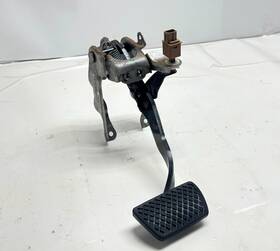
( Manufacturer Part Number: 46600TBAA81 ), ( Type: Brake Pedal ), ( Manufacturer Warranty: 1 Month ), ( Oe/oem Part Number: 46600-tba-a82 ), ( Fitment Type: Direct Replacement ), ( Genuine Oem: Yes ), ( Material: Plastic, Rubber ), ( Donor Year: 2017 )
Review HONDA Brake Pedal Assembly Oem fits CIVIC 2016–2020
The **Honda 46600TBAA81 Brake Pedal Assembly** for the **2016 2020 Civic (LX, EX, EX-L, Sport, and Touring trims)** is a precision-engineered component designed to deliver optimal braking performance, comfort, and durability for drivers seeking a refined yet robust driving experience. This high-quality, direct-fit replacement pedal assembly is meticulously crafted to match the exact specifications of Honda s original equipment, ensuring seamless integration with the vehicle s hydraulic braking system. Constructed from durable, corrosion-resistant materials, the pedal features a robust metal frame with a smooth, ergonomic rubber boot that provides a firm yet cushioned feel underfoot, reducing driver fatigue during extended stops or highway cruising. The assembly incorporates Honda s proprietary design elements, including a precisely calibrated return spring mechanism that ensures consistent pedal return and responsive braking feedback, enhancing both safety and control. Whether installed in a daily commuter, a spirited sport-tuned Civic, or a long-distance touring model, this brake pedal assembly is engineered to withstand the demands of daily driving while maintaining a premium level of performance. Its universal compatibility with the 2016 2020 Civic lineup including both sedan and hatchback variants makes it an ideal choice for restorers, mechanics, and DIY enthusiasts looking to restore or upgrade their vehicle s braking system with confidence. With its reliable construction and Honda-certified fit, this pedal assembly is a testament to the brand s commitment to quality, ensuring a smooth, confident, and safe driving experience for years to come.
### Pros and Cons of Buying a Used Honda Civic (2016-2020) Brake Pedal (46600TBAA81)
#### **Pros:**1. **Reliability and Durability** Honda is well-known for building long-lasting vehicles, and the Civic is one of their most dependable compact cars. The brake system, including the pedal assembly, is designed to withstand regular use with proper maintenance.
2. **Affordability** The Civic is one of the most budget-friendly Honda models, making it an attractive option for buyers on a tight budget. Replacing just the brake pedal (rather than the entire brake system) can be a cost-effective upgrade or repair.
3. **Easy to Find Parts** Honda parts, including brake pedals, are widely available due to the brand s popularity. This means you can easily source replacements or find mechanics familiar with the model.
4. **Compatibility with Aftermarket Upgrades** The Civic s brake system is straightforward, allowing for aftermarket modifications like performance brake pads, rotors, or even upgraded brake lines if needed.
5. **Minimal Risk of Major Issues** Since the brake pedal itself is a relatively simple component (often just a linkage or hydraulic connection), replacing it typically resolves issues without requiring extensive mechanical work.
6. **Good Resale Value** Hondas hold their value well, so even if you re replacing just the brake pedal, the overall car remains a solid investment.
---
#### **Cons:**1. **Potential Hidden Issues** While the brake pedal itself may be the problem, the underlying cause (e.g., a failing master cylinder, vacuum booster, or hydraulic leak) could persist. A thorough inspection is necessary to ensure the root issue is addressed.
2. **Labor Costs** If the brake pedal is part of a larger brake system problem (e.g., a leaking caliper or worn brake lines), additional labor costs may apply, increasing the total repair expense.
3. **Wear and Tear on Other Components** If the brake system has been neglected, other parts (like brake lines, calipers, or the master cylinder) may also need replacement soon, leading to higher long-term costs.
4. **Quality Variability of Aftermarket Parts** If opting for an aftermarket brake pedal, quality can vary. Cheaper alternatives may not last as long as OEM (Original Equipment Manufacturer) parts, potentially requiring frequent replacements.
5. **Potential for Misdiagnosis** A loose or worn brake pedal could sometimes be confused with issues like a failing suspension component (e.g., strut mount) or even a problem with the clutch (in automatic models). A professional diagnosis ensures the correct fix.
6. **Limited Warranty Coverage** If purchasing a used car with a brake pedal issue, the original warranty (if any) may not cover the brake system, leaving you responsible for the repair cost upfront.
---
### **Conclusion:**Replacing the brake pedal on a 2016-2020 Honda Civic can be a practical and cost-effective solution if the issue is isolated to the pedal linkage or hydraulic connection. Honda s reputation for reliability means the car itself is likely to remain dependable, but the brake system should be inspected thoroughly to rule out deeper problems. If the brake pedal is the sole concern and the rest of the braking components (master cylinder, calipers, lines) are in good condition, this repair is a straightforward and worthwhile investment.
---
### **Recommendation:**1. **Get a Professional Inspection** Before purchasing or proceeding with the replacement, have a trusted mechanic diagnose the brake system to confirm that the pedal is the only issue. This prevents unexpected additional repairs.
2. **Use OEM or High-Quality Aftermarket Parts** If replacing the pedal, opt for Honda s genuine parts or reputable aftermarket brands to ensure longevity and compatibility.
3. **Check for Related Issues** If the brake pedal is part of a hydraulic system, inspect the master cylinder, brake lines, and calipers for wear or leaks. Addressing these simultaneously can save money in the long run.
4. **Consider the Overall Condition of the Car** If the Civic is otherwise in good shape, replacing just the brake pedal is a minor and reasonable expense. However, if the car has other significant issues (e.g., transmission problems, electrical gremlins), weigh whether the repair is worth it.
5. **Budget for Maintenance** Even after fixing the brake pedal, budget for future brake service (e.g., pad and rotor replacements every 30,000 50,000 miles) to keep the system in optimal condition.
**Final Verdict:** If the brake pedal is the only issue and the rest of the car is reliable, replacing it is a smart and cost-effective choice. However, always prioritize a full diagnostic to avoid overlooking hidden problems. For most drivers, this is a minor repair that doesn t significantly impact the car s overall value or performance.
Details:
part #: 46600tbaa81 prices
- $34.99-$42.95
specifications pedalspadsaz:
- for models: Civic
- for makes: Honda
- for years: 2016-2020
- mpn: 46600tbaa81
- type: Brake Pedal
- manufacturer warranty: 1 Month
- oe/oem part number: 46600-tba-a82
- fitment type: Direct Replacement
- genuine oem: Yes
- material: Plastic, Rubber
- donor year: 2017
general pedalspadsaz:
- condition: Used
- Car Truck Parts Accessories > Interior Parts Accessories > Pedal Assemblies, Pads Parts
payments pedalspadsaz:
- wallet: Google-pay
- other
- credit card: Visa
offer pedalspadsaz:
- quantity: 1
- sold: 0
- availability: In Stock
- options: Ship-to-home
- started: February 7, 2026
returns pedalspadsaz:
- policy: Returns Accepted
- paid by: Seller
- time: 30 Days
seller pedalspadsaz:
- city: Reisterstown, Maryland
- # reviews: 1869
- rating: 100.0%
shipping pedalspadsaz:
- transit: 4-10 Days
- class: Standard
- service: USPS Ground Advantage
- type: Calculated
- carrier: USPS
- cost: $0.00
Honda 46600TBAA81 Is Similar To:
- 03895858837 2009-2015 Honda Pilot Oem (25.3% similar) You are buying on a used oem gas acceleration pedal assembly for honda pilot in good condition. Part: 7 item was tested and removed from a 2010 honda pilot touring in box with questions have regarding the or any other...(January 1st, 2018)
- 04801168292 Honda Odyssey Oem Acceleration Gas Pedal Assembly (42% similar) ...(November 2nd, 2018)
- 08u74-tea-100a Honda Genuine Oem Civic Hatchback Lx Sport Pedals (36.1% similar) Please understand that carriers can do get delayed due to unforeseen weather conditions and take this into consideration during the appropriate seasons. Honda civic hatchback LX sport pedals the drilled pedals improve the look and feel of driving experience through their gripping rubber inserts that...(May 14th, 2018)
- Accelerator Set Oem Pad Clutch 08u74-tk6-100b Pedal Brake Honda (21.5% similar) We repack all the genuine packages in outer shipping cartons to avoid damage of the genuine package. Left is drivers side. All parts are in genuine packages, brand new sealed condition. Please double check item specifications. Plastic bag or box must be sent back in new unmarked condition. Right is ...(July 8th, 2014)
- 0983082 Honda 96 00 Civic Oem (43.7% similar) You are buying on a used foot rest removed farmhand civic Si. Should fit all 96, 97 98AND 2000 honda civic model's...(February 10th, 2017)
- 101211-5500 Tn101211-5500 Oem Stock Factory Honda Accord Alternator Dx Lx (19.8% similar) Shipping price listed applies only to 48 lower states of the us. 2L, accord 94 discord fits:accord exacter good working condition. For any reason you are not happy with item, please to resolve the problem as soon possible. Normal wear. 2L, LX used item. This item was inspected and is in working ...(April 10th, 2018)
- 12256a1 Honda Civic Gas Accelerator Pedal With Sensor (43.2% similar) Honda civic gas accelerator pedal with censoring perfect condition for...(February 28th, 2018)
- 13016a1 Honda Odyssey Gas Pedal (29.2% similar) Note: please see my other listings for more used oem parts. Only to 48 states. 5l V6MILEAGE: 75,891 kilometers, 47,156 miles transmission: automatic transmission production date: 01 16VIN number: 5FNRL5H63DB504912 this is a used and working part removed from 2013 honda odyssey, it has been quickly...(September 5th, 2018)
- Civic Lx Manual 97 Pedal 5 1319 Prices Assembly Honda Speed Original Clutch (37.6% similar) If an item arrives damaged, please via message within 24 hours with photos of the damage for instructions...(September 19th, 2014)
- 17040-s30-a50 Honda Accord Clutch Shift Shifter Pedal Assembley Oem (49.6% similar) Taken off a 2015 accord sport with 36K. Items condition: will come with clutch pedal, gas and brake pedal. Conditions: items are sold as is. Items conditions: view item details for further info. Conditions: items are sold as is...(April 7th, 2018)
- 17310-sna-a01 Honda New Oem Valve Canister (22% similar) This is a listing for new honda oem valve canister...(March 4th, 2018)