SUBARU 36004AG181 Clutch Brake Pedal M/t
fits model: Outback, Legacy. make: Subaru. year: 2005–2009.
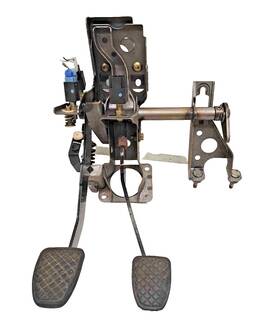
( Manufacturer Part Number: 36004AG181 ), ( Type: Brake And Clutch Pedal Assembly ), ( Vintage Part: No ), ( Country Of Origin: Japan ), ( Id: Ee46ab58-d8ed-4548-ad2f-1ac4d5927753 )
Review SUBARU Speed M/t Clutch Brake Pedal Assembly fits OUTBACK LEGACY 2005–2009
The **Subaru 36004AG181 Clutch Brake Pedal Assembly** for the **2005 2009 model-year Outback with a manual transmission** is a meticulously engineered component designed to deliver both reliability and precision in the vehicle s clutch and brake systems. This high-quality aftermarket replacement is engineered to match the exact specifications of the original equipment manufacturer (OEM), ensuring seamless integration with the Outback s drivetrain and hydraulic braking system. Crafted from durable, corrosion-resistant materials, the pedal assembly features a robust metal frame and a reinforced pedal arm, which work in tandem to provide consistent pedal feel and optimal response under varying driving conditions. The design incorporates a smooth, ergonomic pedal surface that enhances driver comfort while maintaining the necessary stiffness to prevent excessive flex during aggressive braking or clutch engagement. This assembly is compatible with the Outback s 2.5L or 3.0L horizontally opposed (boxer) engines, offering a perfect fit for both the front-wheel-drive and all-wheel-drive configurations. Whether navigating city streets or tackling winding roads, this clutch brake pedal assembly ensures a responsive and predictable driving experience, reducing the risk of pedal sag or premature wear. Built to withstand the demands of daily driving, this replacement part is an excellent choice for those seeking a dependable upgrade or a direct OEM replacement for their Outback, restoring confidence in the vehicle s performance and handling.
Buying a used 2005-2009 Subaru Outback with a manual transmission (specifically the 36004AG181 model) has distinct advantages and drawbacks. Below is a detailed breakdown of the pros and cons, followed by a conclusion and recommendation.
---
### **Pros**
1. **Reliability and Durability**
The Subaru Outback from this era is known for its robust construction, particularly in its drivetrain and body structure. The 2.5L EJ25 engine (used in these models) is a well-regarded inline-four, capable of lasting well over 200,000 miles with proper maintenance. Subarus of this generation are also praised for their ability to handle rough roads and off-road conditions, thanks to their solid axles and AWD system.
2. **Manual Transmission Appeal**
Manual transmissions are favored by enthusiasts for their engagement with driving, lower maintenance costs (compared to modern automatics), and the ability to modify or upgrade components (e.g., clutch, flywheel, or gear ratios). The manual transmission in these Outbacks is smooth and responsive, offering a satisfying driving experience.
3. **AWD Capability**
The Outback s all-wheel-drive system is a significant advantage in snowy, rainy, or off-road conditions. This is particularly useful if you live in an area with harsh winters or frequently drive on unpaved roads. The AWD system in these models is reliable and straightforward to maintain.
4. **Resale Value and Community**
Subarus, especially AWD models, hold their value relatively well compared to many other compact SUVs. There is also a strong community of Subaru enthusiasts who share knowledge, parts, and modifications, making it easier to find support or upgrades.
5. **Fuel Efficiency**
The 2.5L engine in these Outbacks is relatively efficient for its class, especially when paired with a manual transmission. Expect around 20-25 MPG in the city and 25-30 MPG on the highway, depending on driving conditions and load.
6. **Off-Road Potential**
The Outback s body-on-frame construction and available off-road packages (depending on the trim) make it a capable vehicle for light off-roading. With some modifications (e.g., lift kit, skid plates, or upgraded suspension), it can handle trails and rough terrain better than many competitors.
7. **Simplicity and Repairability**
Subarus from this era are generally simpler to work on than modern vehicles with complex electronics. Many mechanical and electrical issues can be diagnosed and fixed with basic tools, reducing long-term costs.
8. **Cargo Space and Practicality**
The Outback offers ample cargo space (up to 37.6 cubic feet behind the rear seats) and a practical, SUV-like ride height, making it versatile for daily use, road trips, and carrying gear.
---
### **Cons**
1. **Maintenance Costs and Wear**
While the Outback is reliable, it requires consistent maintenance to avoid costly repairs. Key areas to monitor include:- **Clutch**: Manual transmissions in high-mileage vehicles often require clutch replacements. The 2005-2009 Outback s clutch can wear out around 80,000-120,000 miles, depending on driving habits. If the clutch is already failing or has been replaced recently, this could be a red flag or a significant upfront cost.
- **Timing Belt/Chain**: The EJ25 engine uses a timing chain, which is more durable than a belt but still requires attention. However, other components like water pumps, tensioners, and idlers may need replacement as part of a timing chain service (typically every 100,000 miles).
- **Suspension**: Bushings, shocks, and struts can wear out over time, especially if the vehicle has seen rough treatment. A worn suspension affects ride quality and handling.
- **AWD Components**: The transfer case and differentials in AWD systems can be expensive to repair if they fail. Fluid changes are essential to prevent premature wear.
2. **Rust and Body Corrosion**
Subarus are notorious for rust, particularly in the wheel wells, rocker panels, and undercarriage. The 2005-2009 Outback is no exception. Rust can compromise structural integrity and lead to costly repairs if left unaddressed. Always inspect the vehicle thoroughly for rust during a test drive or inspection.
3. **Interior Wear and Aging**
The interior of a 2005-2009 Outback may show signs of aging, such as cracked dashboards, worn seats, or failing electronics (e.g., radio, climate control). While these are cosmetic, they can add to the overall cost of ownership if replacements are needed.
4. **Electrical Issues**
Older Subarus can develop electrical gremlins, such as faulty sensors, wiring harness problems, or issues with the infotainment system. These can be tricky and expensive to diagnose and fix.
5. **Fuel Economy Limitations**
While the Outback is fuel-efficient for its class, it is not as efficient as some modern hybrids or smaller cars. If fuel savings are a priority, you may find more efficient alternatives.
6. **Limited Modern Tech**
The Outback from this era lacks modern safety features like advanced driver-assistance systems (e.g., lane-keeping, automatic emergency braking) or the latest infotainment options. If these are important to you, you may need to compromise on other aspects.
7. **Discontinued Parts and Support**
While Subaru parts are still widely available, some components (especially for older models) may become harder to find as the vehicle ages. This could lead to longer wait times for repairs or higher costs for aftermarket parts.
8. **Manual Transmission Challenges**
- **Clutch Pedal Position**: The clutch pedal in these Outbacks is often positioned higher than in modern manual transmissions, which can be uncomfortable for some drivers over long periods.
- **Driving Habits**: Manual transmissions require more engagement from the driver, which may not appeal to those who prefer the convenience of an automatic.
9. **Resale Depreciation**
While Subarus hold their value better than many competitors, they still depreciate over time. If you plan to sell the vehicle in the future, the resale value may not fully offset the initial purchase price, especially if the vehicle has high mileage or significant wear.
10. **Potential for Hidden Issues**
- **Water Pump Failure**: The EJ25 engine s water pump can fail without warning, leading to engine overheating. This is a critical component to check during a pre-purchase inspection.
- **Transmission Synchros**: Manual transmissions can develop rough shifting or grinding if the synchros wear out, which may require a rebuild.
- **AWD Fluid Leaks**: AWD systems can leak fluid, leading to poor performance or failure if not addressed.
---
### **Conclusion**
The 2005-2009 Subaru Outback with a manual transmission is an excellent choice for buyers who prioritize reliability, off-road capability, and the driving experience of a manual transmission. It is well-suited for those who:
- Enjoy hands-on driving and appreciate the engagement of a manual gearbox.
- Live in areas with harsh weather or rough roads, where AWD is a significant advantage.
- Are willing to invest time and effort in maintenance to keep the vehicle running smoothly.
- Value simplicity, durability, and a strong community of enthusiasts for support.
However, the vehicle also comes with challenges, particularly around maintenance costs (especially clutch and AWD components), rust susceptibility, and the need for consistent upkeep to avoid costly repairs. Buyers should be prepared for potential upfront costs (e.g., clutch replacement) and the possibility of aging interior components.
---
### **Recommendation**
If you are considering purchasing this Subaru Outback, follow these steps to maximize your chances of a successful purchase:1. **Thorough Pre-Purchase Inspection**
Hire a trusted mechanic to perform a detailed inspection, focusing on:- Clutch condition (listen for grinding, check for fluid leaks, and inspect the flywheel for wear).
- Timing chain and associated components (water pump, tensioners, idlers).
- Suspension (shocks, struts, bushings, and ball joints).
- AWD system (fluid levels, leaks, and transfer case/differential health).
- Rust inspection (especially wheel wells, rocker panels, and undercarriage).
- Electrical system (test all sensors, lights, and infotainment).
2. **Check Maintenance Records**
Request full service records to ensure the vehicle has been properly maintained. Key services to verify include:- Oil changes (every 5,000-7,500 miles).
- Timing chain service (if applicable).
- AWD fluid changes.
- Brake and clutch inspections/replacements.
3. **Test Drive Under Various Conditions**
- Drive the vehicle on different road surfaces (pavement, gravel, rough roads) to assess handling, suspension, and AWD performance.
- Test the clutch for smooth engagement and disengagement. Listen for unusual noises (grinding, rattling) and feel for any hesitation or roughness.
- Check for leaks under the vehicle (oil, coolant, AWD fluid).
4. **Negotiate Based on Inspection Findings**
Use the inspection report to negotiate the price. If significant issues are found (e.g., worn clutch, rust
Details:
Condition: 189k. This assembly includes the clutch and brake pedals as shown well switches. Tested good before removal. Online resources show this pedal assembly fits 2005 2009 Legacy model, 2005 09 Outback model's with the 5 speed manual.
Vehicle Stock #: 205659. Search for more parts for SUBARU LEGACY. This clutch and brake pedal assembly was removed from a 2005 Legacy with 5 speed manual transmission. Model: SUBARU LEGACY.
part #: 36004ag181 prices
- $11.21-$145.00
specifications pedalspadsaz:
- for models: Outback, Legacy
- for makes: Subaru
- for years: 2005-2009
- mpn: 36004ag181
- type: Brake And Clutch Pedal Assembly
- vintage part: No
- country of origin: Japan
- id: Ee46ab58-d8ed-4548-ad2f-1ac4d5927753
seller pedalspadsaz:
- # reviews: 4159
- rating: 100.0%
- city: Wheat Ridge, Colorado
payments pedalspadsaz:
- other
- credit card: Visa
- wallet: Paypal
returns pedalspadsaz:
- paid by: Seller
- time: 30 Days
- policy: Returns Accepted
general pedalspadsaz:
- condition: Used
- Car Truck Parts Accessories > Interior Parts Accessories > Pedal Assemblies, Pads Parts
offer pedalspadsaz:
- started: March 10, 2026
- sold: 0
- options: Ship-to-home
- availability: In Stock
- quantity: 1
- best offers: True
shipping pedalspadsaz:
- service: Standard
- cost: $0.00
- type: Fixed
- transit: 2-4 Days
- class: Standard
Subaru 36004AG181 Is Similar To:
- 10-13 Subaru Outback Legacy 2.5l (32.1% similar) Our address is 5851 alder ave. If an item arrives damaged, please via messaging system within 24 hours for instructions. On some items hardware is not included. Halberd inc. Some items may have scratches, scuffs and or dents due to regular wear tear. Some scratches are not visible to the camera. ...(June 11th, 2017)
- 10718 Impreza 08 Gas Pedal Fuel Foot Control 1 Subaru (24.1% similar) If an item arrives damaged, please through within 24 hrs for instructions. No expedited shipping is available...(April 8th, 2016)
- 08-14 36010ag150 198800-7140 11j15a00016 Subaru Wrx Sti Accelerator Gas Throttle Pedal (25.3% similar) Great condition, tested before removal from 2008 Rx sit. Accelerator gas pedal drive by wire throttle pedal. For Rx sit...(January 22nd, 2016)
- 1213 Subaru Brz Scion Frs Oem Gas Throttle Pedal Accelerator Dbw (29.2% similar) ...(February 26th, 2019)
- 15 16 Subaru Outback Legacy (33.6% similar) Most engines do not come with intake or exhaust manifolds, turbos, superchargers. Fluid disposal charge. Engine or transmission must go into a factory oem vehicle. Some items may have scratches, scuffs and or dents due to regular wear tear. Special heat tabs are installed in the event an engine is ...(January 9th, 2018)
- 15-16 Subaru Outback Legacy 2.5l (32.1% similar) If an item arrives damaged, please via messaging system within 24 hours for instructions. Some scratches are not visible to the camera. Some items may have scratches, scuffs and or dents due to regular wear tear. What you see in the pictures is will get. On some items hardware is not included. ...(April 18th, 2017)
- Brz Subaru Clutch Prices Bearing Frs Oem Miles Exedy 1600 Flywheel (29.9% similar) Everything included in pictures miles on the setup plenty of life left. Subaru BR Fr's GT86 oem clutch assembly...(October 31st, 2014)
- Oem Bearing Brz 1600 Subaru Frs Prices Clutch Miles Exedy Flywheel (34% similar) Subaru BR Fr's GT86 oem clutch assembly miles on the setup plenty of life left. Everything included in pictures...(November 14th, 2014)
- Subaru 00 Assembly 18225 Outback Accelerator Impreza Pedal 01 99 (25% similar) No guarantee on any finish color. Cms instrument clusters and radios might need programming at a dealer. If they are not shown or described they are not included. Do not automatically expect extras such as bushings on a sway bar brake pads on a caliper bulbs in a taillight or screws. Call us for a ...(September 25th, 2014)
- Fits Justy Pedal Xt 1985-2007 Pad Genuine Subaru Impreza Brake (18.3% similar) Since some items have no shipping charge, these items will not qualify for a shipping credit. Orders ship daily from 12 major metropolitan markets in the us. Last updated 14 24 pm about the brand a genuine part is a part that comes in the automobile manufacturers box. You might want to watch this ...(February 27th, 2015)
- 198800-7060 Denso Oem Subaru Forester Accelerator Gas Throttle Pedal (28.4% similar) The item damage is noted, shown on pictures or part sold as for parts not working. The item has small scratches or normal wear due to fact that these are used oem parts. Oem subaru forester accelerator gas throttle pedal vehicle and: vehicle make: model year 2008 trim x body SUV part brand ...(October 30th, 2018)